Green Seasonal Tree Embroidery Design
A Craft Fair Designer’s First Look: Festive, Minimal, and Booth-Ready
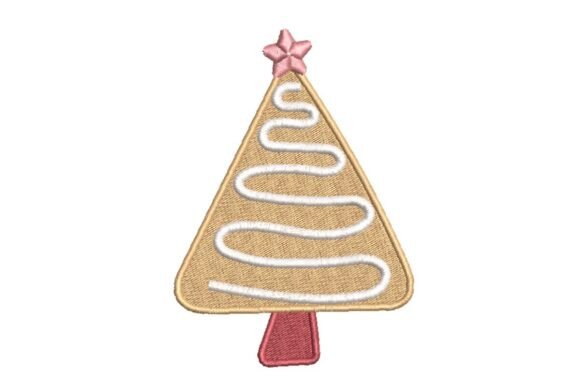
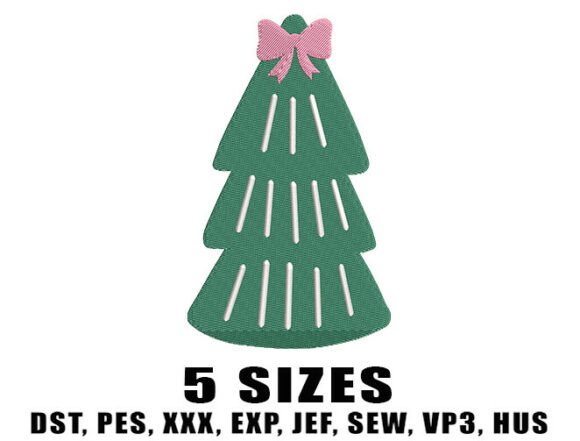
As an embroidery designer who’s packed up 47 craft fairs—and counted every unsold tote bag—I opened the Green Seasonal Tree Embroidery Design file with one question: Will this stop someone mid-aisle? The answer is yes—but not for the reasons you might expect. This isn’t a glitter-bombed, hyper-detailed tree dripping with ornaments. It’s a clean, confident silhouette: a classic green Christmas tree anchored by a soft pink bow. The “minimalist line pattern” in the description isn’t marketing fluff—it’s the design’s strongest selling point. It reads as modern *and* nostalgic, elegant *and* approachable—ideal for shoppers scanning booths at 10 a.m. on a chilly December Saturday.
Where It Shines: Product-by-Product Reality Check
Tote bags: A standout. At medium size (4.5"–5"), the Green Seasonal Tree Embroidery Design lands perfectly centered on natural canvas or oat linen—bold enough to read from six feet away, delicate enough to feel intentional, not generic. No visual competition with handles or seams.
Aprons and tea towel embroidery: Excellent balance. On a chef-style apron pocket, it reads as thoughtful and handmade—not childish or overly literal. On a flour-sack tea towel, the minimalist lines hold up beautifully against subtle fabric texture. Avoid placing it too close to hems where stitching tension can distort the bow’s curve.
Embroidered patches and fabric pouches: Highly effective. As a sew-on patch (3" size), it adds instant seasonal charm to denim jackets or gift wrap bundles. On a 5"x7" drawstring pouch, it’s giftable without feeling like filler. The pink bow provides just enough contrast to catch light—and eyes—without demanding neon thread.
Caps and pillow covers: Use with intention. On structured caps, stick to the 2.75"–3.25" sizes—the bow’s shape stays legible on curved surfaces. For pillow covers, go large (5.5"+) on light fabrics; the clean lines scale well, and the pink thread pops against charcoal or cream linen.
Booth samples and printable mockups: This design photographs exceptionally well. Its high-contrast green-and-pink combo renders crisply in natural light, and the minimalism means no distracting shadows or stitch bleed in flat-lay shots. It converts well across Etsy listings, Instagram carousels, and printed booth signage.
Production Practicality: What Makes It Sell (and What Makes It Stall)
The Green Seasonal Tree Embroidery Design earns top marks for batch production. With only two core thread colors (a rich forest green and a true cotton-candy pink), color changes are minimal. There’s no dense fill stitching—just smooth satin and outline elements—so stitch density stays low and consistent. That means faster hooping, fewer thread breaks, and reliable repeatability across 50+ tote bags before lunchtime.
It’s also highly scalable. The smallest size holds clarity down to 1.8", making it viable for tiny market bag tags or embroidered gift card holders. The largest size expands cleanly without pixelation or awkward spacing—critical when you’re prepping digital embroidery files for wholesale partners or print-on-demand integrations.
Careful-Use Notes: Protect Your Stitch Quality
- Avoid ultra-dense fabrics: Thick canvas or heavily textured toweling may obscure the bow’s fine curves. Opt for medium-weight cotton, linen-cotton blends, or quilting weight for best definition.
- Test on dark fabric: While green-on-black reads elegantly, pink thread on navy or charcoal can fade visually. Always run a test swatch with your exact thread brand—some pinks dull under certain lighting.
- No tiny lettering or micro-details: A relief! This design has no text, no thin interior lines, and no nested elements. That means fewer surprises during hooping and zero risk of “disappearing” at small sizes.
- Stabilizer matters more than usual: Because the bow relies on smooth satin stitch flow, use a medium tear-away *plus* a light cut-away backing on stretchy or loosely woven fabrics—especially for aprons and pouches that get frequent handling.
Why It Strengthens Your Handmade Brand—Not Just Your Booth
In a sea of rustic wood signs and glitter pens, the Green Seasonal Tree Embroidery Design quietly signals craftsmanship. Its restraint says, “I chose this. I stitched this. I value clarity over clutter.” That perception lifts perceived value—shoppers pay more for items that feel considered, not mass-produced. On a shelf beside hand-poured candles or ceramic mugs, it complements rather than competes.
For Etsy sellers and small shop owners, it supports brand consistency: use it across your holiday collection—totes, towels, patches—and customers begin to recognize your seasonal signature. It’s versatile enough for farmhouse, modern-minimal, or boutique aesthetics without needing redesign.
Designer-to-Designer Must-Dos Before You Hoop
- Test on scrap fabric—not just the same fiber, but the *exact* dye lot and finish you’ll use in production.
- Confirm thread contrast in daylight *and* indoor booth lighting—pink shifts dramatically under warm LED.
- Review spacing between tree base and bow at each size. Does the gap stay proportional? Does the bow tilt naturally—or look unbalanced on curved surfaces?
- Check hoop size compatibility across all five sizes. Don’t assume your 5x7 hoop fits the largest version without verifying.
- Inspect stitch density in the bow knot area—minimal doesn’t mean sparse; ensure coverage is even and secure.
- Create at least one real mockup—not just a digital preview. See how the green thread interacts with your fabric’s sheen or nap.
- Compare fabric colors side-by-side: ivory vs. oat vs. natural canvas—each changes the warmth and contrast of the green and pink.
- Verify commercial licensing before selling finished products. If this is a digital embroidery file, confirm it permits resale of physical goods—not just personal use.
The Green Seasonal Tree Embroidery Design won’t shout. But at a craft fair—where attention is fragmented and trust is earned in seconds—it speaks clearly: handmade, seasonal, intentional. And in this market? That’s the quietest kind of power.