Flower Physalis Embroidery Design
A Designer’s First Glance: Delicate, Distinctive, and Quietly Confident
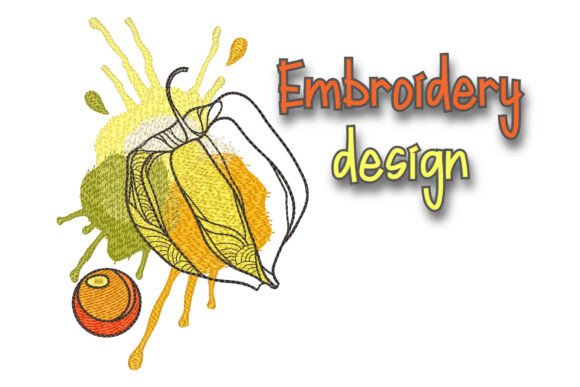
When I opened the Flower Physalis Embroidery Design file, what struck me first wasn’t flash or fuss—it was balance. The calyx wraps the berry like a papery lantern; the petals bloom with gentle asymmetry; the stem curls just enough to feel alive, not stiff. This isn’t a botanical diagram—it’s a hand-drawn whisper translated into thread. As a designer who evaluates hundreds of embroidery files a year, I appreciate how rare it is to find a single flower design that reads clearly at 3 inches *and* holds its grace at 5. It lands somewhere between vintage botanical illustration and modern minimalist craft—elegant without being fussy, detailed without demanding perfectionism.
Real-World Use: Why It Landed on My Tote Bag Mockup
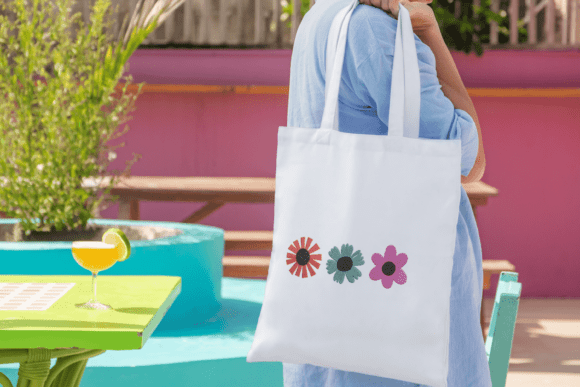
Last week, I was prepping a small-batch run of linen tote bags for a local herbalist’s pop-up shop. She wanted something soft but memorable—botanical, yes, but not cliché lavender or overused daisies. The Flower Physalis Embroidery Design fit like a quiet “yes.” I stitched it centered on the front panel, 4.2 inches tall, using matte cotton thread on natural unbleached linen. The result? Customers paused. Not because it shouted, but because it invited attention—the subtle texture of the calyx, the slight sheen of satin stitch on the petals, the clean negative space around the stem. It elevated a simple tote into a curated handmade product, not just another embroidered bag.
Where It Shines (and Where It Asks for Care)
This design thrives in contexts where intentionality matters: baby onesies (gentle scale, no sharp edges), kitchen tea towels (the calyx reads beautifully against textured cotton), pillow covers (it anchors a neutral fabric without overwhelming), and boutique aprons (worn close to the chest, its quiet charm feels personal). As sweatshirt embroidery, it works best on mid-weight fleece or brushed cotton—fabrics that support moderate stitch density without flattening fine details.
That said, it asks for thoughtful placement. On highly stretchy knits (like lightweight t-shirts), I’d add cutaway + tear-away stabilizer and reduce pull compensation slightly—the curved calyx edges can pucker if tension isn’t dialed in. On dark fabric, test your thread colors early: pale yellows or creams may need an extra layer of underlay or a white topping to stay legible. And avoid cramming it into hoops smaller than 4x4 inches—those delicate petal tips lose definition when scaled down too far.
What It Does for Your Brand—and Your Buyers
For Etsy sellers and small shop owners, the Flower Physalis Embroidery Design quietly strengthens perceived value. It doesn’t scream “handmade!” with dense fills or glitter threads—instead, it signals care, curation, and confidence in subtlety. That translates directly to customer trust: buyers recognize craftsmanship in restraint. When used on holiday embroidery (think linen napkins or baby blankets for autumn gifting), it reads as timeless—not seasonal. And for commercial embroidery projects, its clean layout and balanced negative space make it easy to pair with monograms or tiny brand tags without visual competition.
Designer Notes You’ll Actually Use
- Always test on scrap fabric first—especially if stitching on textured weaves or blends. The calyx’s layered look relies on smooth fill stitch transitions.
- Review stitch density before running a full batch. If your machine struggles with tight satin-stitched areas, consider lightening the density by 5–8%—the design’s charm lies in shape, not saturation.
- Check thread color contrast on both light and dark backgrounds. A warm ivory works on cream linen, but switch to ecru or oat on charcoal twill for clarity.
- Use proper stabilizer. Medium-weight cutaway for stable wovens; hybrid (cutaway + tear-away) for knits or lightweight chambray.
- Test in black-and-white mockups. If the silhouette loses identity without color cues, adjust spacing or simplify one petal edge before finalizing.
- Confirm licensing terms before selling finished items or digital embroidery files. Since this is listed as a Single Flowers embroidery design, verify whether commercial use is included—many designers restrict resale of digital assets even when finished products are permitted.
Not Just Another Floral File—A Thoughtful Design Asset
In my studio, I keep two categories of embroidery files: those I reach for when speed matters, and those I choose when meaning matters. Flower Physalis Embroidery Design lives firmly in the second group. It’s not the loudest option in the Embroidery category—but it’s among the most versatile for makers who understand that resonance often lives in the quiet details. Whether you’re stitching personalized gifts, building a cohesive line of nursery decor, or designing small shop merchandise with integrity, this design supports your voice instead of overriding it.
It won’t fix poor stabilizing. It won’t compensate for mismatched thread weight. But given solid technique and intentional context, Flower Physalis Embroidery Design delivers exactly what it promises: the eternal charm of flora, woven cleanly into thread—and into your work.